
Glass neon has been made essentially the same way since the early 1900s. The craft is rare today and requires years of hands-on experience to perfect.
FAQ
But first, a word. The word "neon" gets used loosely these days to describe almost any glowing sign — but genuine neon and its modern imitator are two very different things. Here's a plain-language breakdown.
Glass Neon
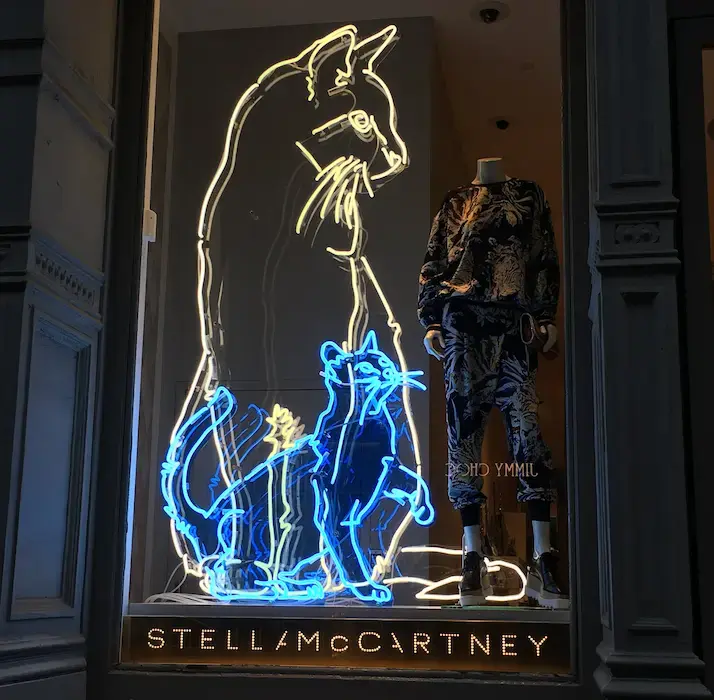
- Hand-bent glass tubes, shaped over an open flame by a skilled glass "tube bender."
- Shaped tubes are heated under vacuum, then filled with noble gases — neon, argon, krypton, or a mix — at low pressure.
- An electrical current excites the gas, causing it to emit light from within the glass itself.
- Color comes from the gas, the color of the glass tube, and a UV reactive phosphor inside the tube — no paint, no coatings.
- Each sign is a one-of-a-kind handmade object; no two are identical.
- With normal use, tubes typically run for many years before needing attention; the glass itself is extremely durable.
- Produces a warm, organic 360° glow — light radiates from all sides of the tube, not just the front.
"LED Neon" / Neon Flex
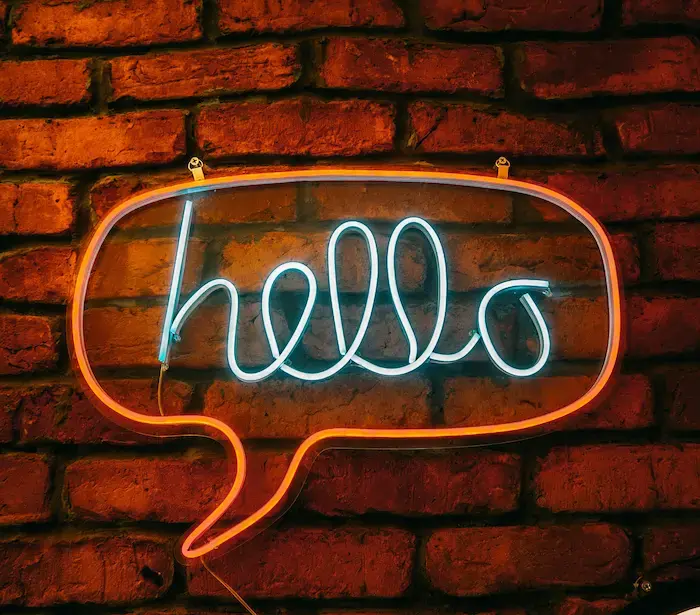
- Flexible silicone or PVC tubing containing a strip of LED lights inside.
- Light is diffused forward through translucent, colored plastic — no 360° output.
- Color is produced by the LEDs themselves, typically with a flat, two-dimensional appearance.
- Largely mass-produced; often manufactured overseas in bulk.
- Cheaper upfront, but lacks the depth, ambience, and character of glass.
- Frequently marketed as "neon" despite containing no glass, no gas, no neon, and definitely no magic!
FAQ
We handle a wide range of work and events: parties, wedding receptions, custom lettering and logos, fine art and gallery installations, architectural and retail displays, stage and set pieces, film and Broadway props, and wholesale neon. If you can draw it, there's a good chance we can bend it in glass.
Lead times vary depending on the complexity of the piece and our current workload. Simple signs can be ready in a few weeks; elaborate installations may take longer. We'll give you a realistic timeline when we discuss your project, and we're happy to work toward a specific deadline when possible.
Yes — visitors are welcome by appointment at our Brooklyn studio in Red Hook. It's a great way to see glass neon being made firsthand and talk through the details of your project in person. Just reach out to set something up.
Everything we make is genuine handcrafted glass neon — the real thing. Each tube is bent by hand from glass and filled with noble gases to produce authentic neon light. We don't work with LED flex strips or acrylic substitutes.
Glass neon produces color through a combination of the gas inside the tube, the color of the glass itself, and an inner phosphor coating. The palette is full of colors like Ruby Red, Lemon Yellow, Sunflower, Emerald Green, Apple Green, Magenta, Coral Rose, French Orange, Aquamarine, Sky Blue, Ocean Blue, Violet, Sunrise, Candlelight, and dozens more! We'll walk you through the options that best match your vision during the design process.
A well-made glass neon sign can last decades. The tubes themselves are extremely durable; transformers typically have the shorter lifespan of the two components and can be replaced when needed. With proper care, neon outlasts virtually any other illuminated sign technology — that's part of why so many vintage signs are still running.
Yes, with normal use. Glass neon operates at high voltage but very low current — the tubes themselves carry little power and don't generate significant heat during operation. The transformer should be kept ventilated and away from flammable materials, and any sign should be properly mounted and installed. Neon has been used safely in commercial and residential settings for over a century. If you have a specific installation concern, we're happy to advise.
Glass neon draws relatively little power for the light it produces — a typical sign uses between 3 and 5 watts per foot of tubing. It won't match the raw efficiency numbers of a modern LED array, but it produces a quality of light that LEDs can't replicate. For most decorative and art applications, the difference in running cost is small — a medium-sized sign might cost a few dollars a month to run continuously.
Yes. Repair and conservation are a core part of what we do. We work on everything from vintage signs requiring museum-grade restoration to more recent pieces that need a tube replaced or a transformer swapped out. If you have a sign that needs attention, get in touch and describe what's happening.
Flickering is usually a sign of a failing transformer or a loose connection, both of which are straightforward repairs. Some tubes that are flickering, are consistently dim or showing a different color at the ends may be nearing the end of their gas life and need reprocessing or replacement. Whichever the case, it's worth having it looked at rather than leaving it running in a compromised state.
First and foremost, give it plenty of admiration. Keep it away from water and moisture, make sure it's mounted securely, and give the transformer adequate ventilation. With the neon OFF, dust the tubes gently with a soft dry cloth when needed — no solvents or wet cleaners near the glass. If you're shutting it down for an extended period, a full power-off is better than leaving it on a dimmer at low levels. If your neon is in a residential setting, treat it like any other light — turn off when not in use.
Pricing depends on the size, complexity, number of colors, and type of mounting. Because each sign is made entirely by hand, no two quotes are identical. We're happy to provide a detailed estimate once we understand your project — reach out with your idea and we'll put something together for you.
Yes. Custom work requires a deposit to begin production, with the balance due before shipping or pickup. We'll go over payment terms when we finalize your order details.
We can arrange shipping for completed signs. Glass neon requires careful crating and handling, so shipping costs vary by size and destination. Local pickup from our Brooklyn studio is always encouraged, and for large installations we can discuss delivery and installation directly.
Don't see your question answered here?
Send Us a Message